

Egg donation requirements in Spain: everything you need to know in 2025
Do you need an egg donor for your in vitro treatment? If you are considering egg donation in Spain, it is important that you know what ...

Anti-Müllerian hormone – key to fertility assessment
One of the most important factors in assessing a woman’s fertility is the anti-Müllerian hormone (AMH). This marker is used to determin...

Epigenetics and Egg Donation: A Form of Motherhood That Goes Beyond DNA
When a couple or a single woman decides to build a family through egg donation, one of the most common questions is: ‘Will my baby look...
Scientific innovation to improve success rates in reproductive medicine
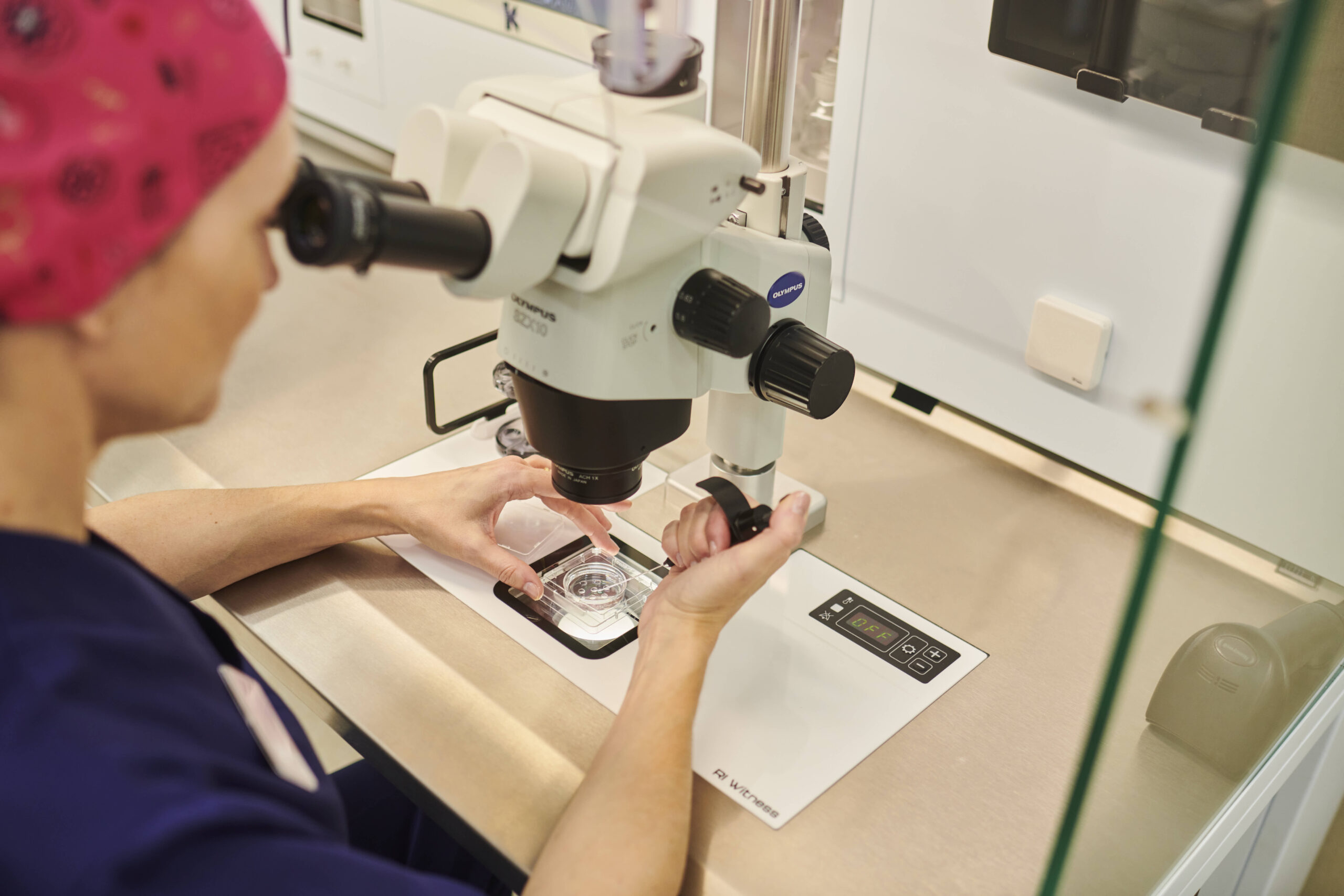
In a field as sensitive and complex as assisted reproduction, scientific innovation is not just an asset but a must. Every small techno...
Influence of microbiota on fertility and intestinal dysbiosis
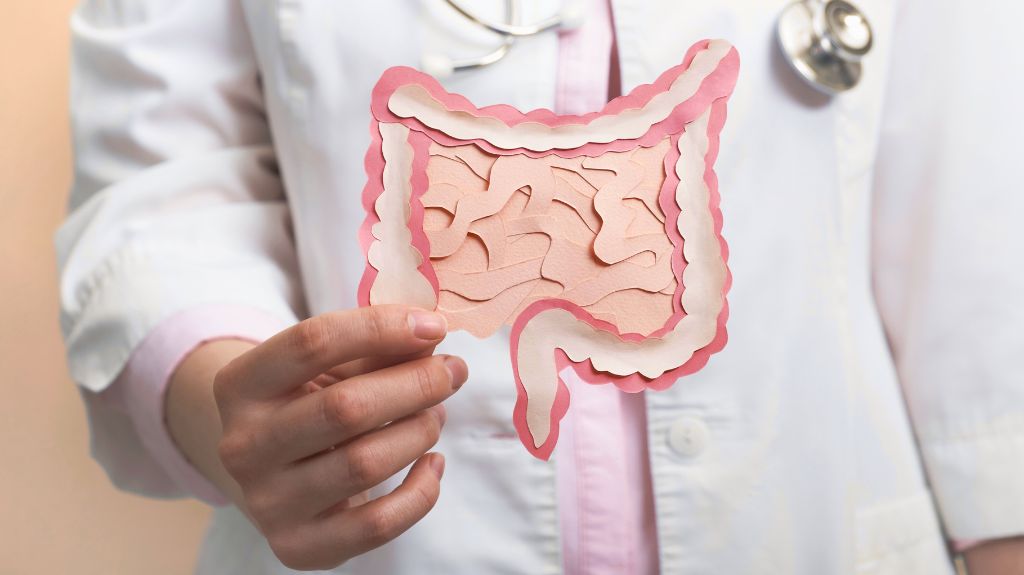
Is it possible that your microbiota affects your chances of conceiving? More and more studies reveal that billions of microorgani...

The ROPA method: Pros and cons
Would you and your female partner like to experience motherhood together and both play an active role in the process? The ROPA method (...
Ovarian Rejuvenation: Facts, myths and evidence
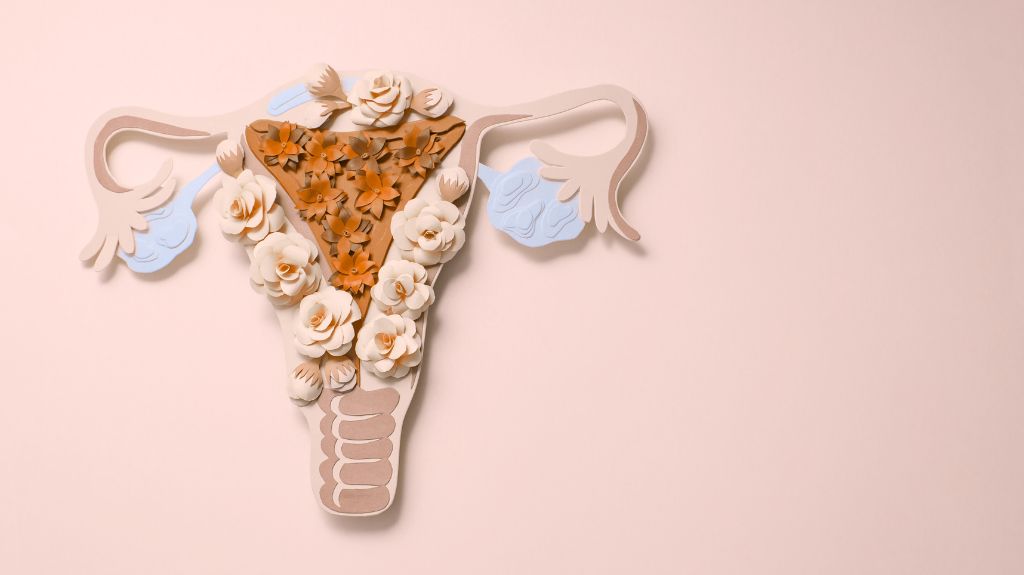
One of the most recent scientific advances in the field of assisted reproduction has been the development of new ovarian rejuvenation t...
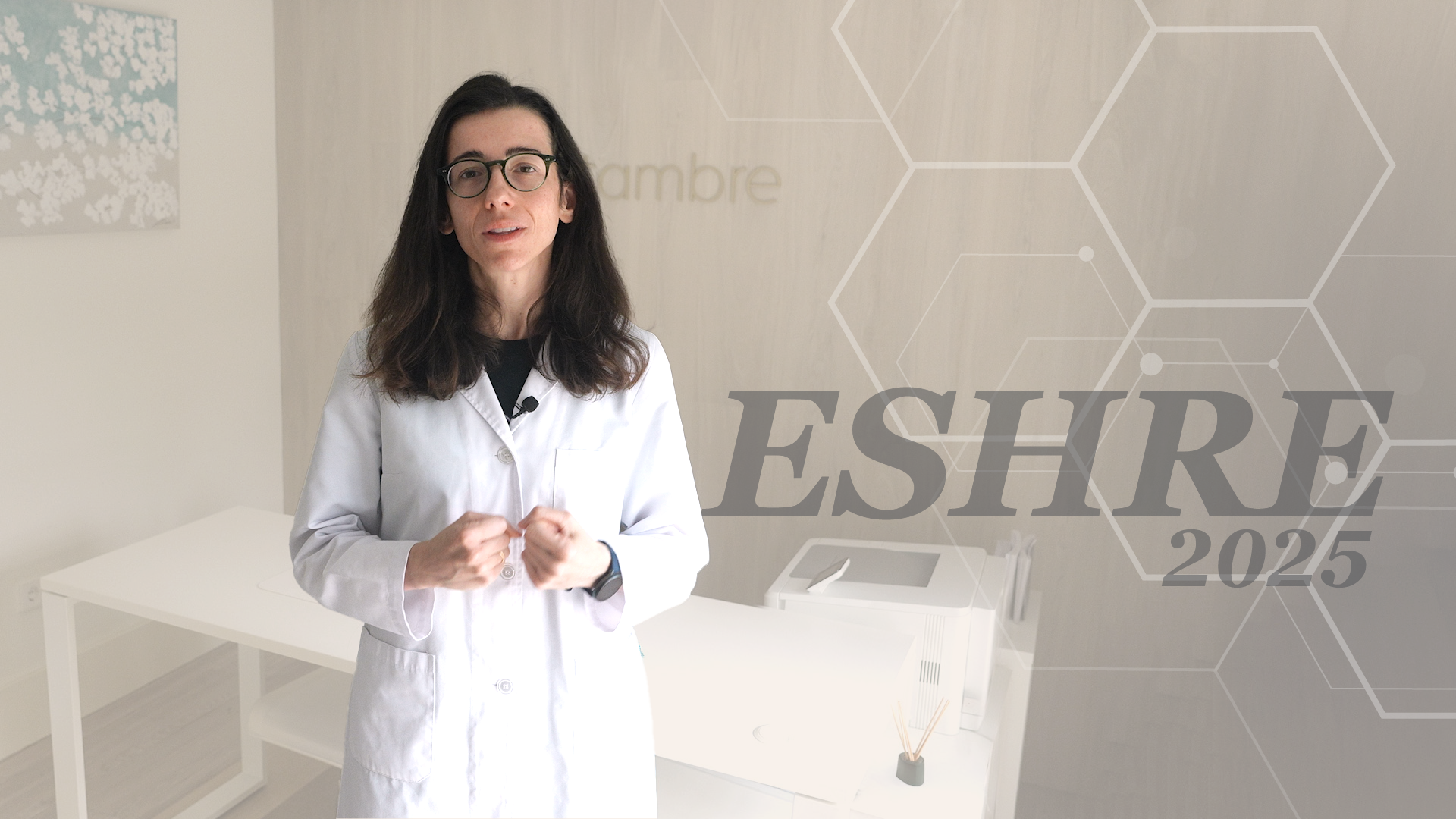
What changes have there been in oocyte vitrification? Tambre analyses eight years of data in a study for ESHRE 2025
A study by Fundación Tambre reveals key trends in fertility preservation
Preserving fertility is no longer just a possibility, it is a ...

How to approach egg donation treatment
Undergoing egg donation treatment is much more than a medical procedure: it involves making profound decisions, managing complex emotio...
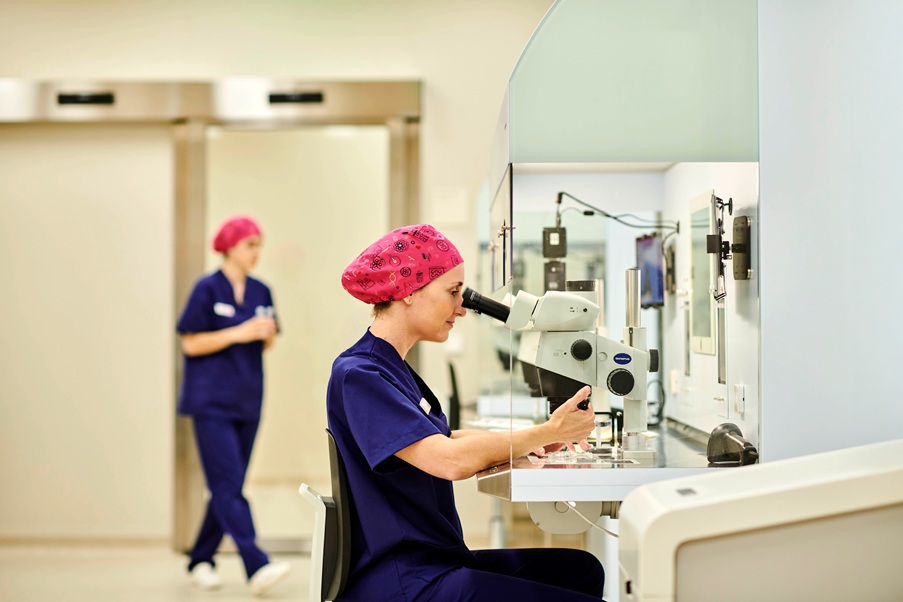
Mosaic embryos: a new opportunity in assisted reproduction
Are you familiar with mosaic embryos? Behind this intriguing name hides an important dilemma to consider in assisted reproduction. You ...