

How to improve sperm quality naturally?
 Victoria
Table of contents
When you have been trying to conceive for several months without success, it is completely normal to feel concerned and to start asking yourself: ‘What if something isn’t working as it should?’ In many couples, fertility difficulties are linked to sperm quality. This is a factor which, fortunately, can often be improved.
Understanding how lifestyle affects seminal health is the first step towards improving sperm quality.
Simple changes such as adjusting your diet, reducing stress or avoiding certain habits can lead to improvements in sperm motility, morphology and concentration.
If you and your partner are trying to conceive, this guide will help you understand what may be happening and what you can effectively do to improve semen quality in a natural and effective way.
What is sperm quality?
Sperm quality refers to a set of parameters used to assess the reproductive potential of semen, based on the World Health Organization (WHO) reference limits (2021). The most important parameters include:
- Sperm concentration. This refers to the number of sperm cells present in the ejaculate. When sperm concentration falls below 16 million/mL or 39 million per ejaculate, it may reduce the chances of achieving pregnancy. The higher the number of sperm cells, the greater the likelihood that one will reach and fertilise the egg. A low sperm count is known as oligozoospermia.
- Sperm motility. This is the ability of sperm cells to move through the cervix, uterus and fallopian tubes to reach the egg. A normal semen sample shows total motility (progressive + non-progressive) of at least 42%, or progressive motility of at least 30%. Reduced motility is referred to as asthenozoospermia.
- Morphology. This refers to the shape of the spermatozoa (head, midpiece, tail), which determines whether they are well structured for fertilisation. Although morphology is not as important as quantity or motility, the more spermatozoa there are with a normal shape without structural alterations (smooth oval head, thin midpiece and a uniform tail), the more likely it is that pregnancy will be achieved. If the percentage of spermatozoa with normal morphology is less than 4%, we speak of teratozoospermia.
- Semen volume. A normal ejaculate usually ranges between 1.4 and 5–6 millilitres. Semen volume can be influenced by sexual frequency: more frequent ejaculation tends to reduce volume, while longer periods of abstinence increase it.
These and other parameters are assessed through a semen analysis (also known as seminogram or spermiogram), the basic test used to evaluate male reproductive health.
Lifestyle habits that affect sperm quality
Sperm quality is not just a matter of genetics; lifestyle habits are relevant too, often more than we realise. Diet, stress management and daily habits all influence seminal health. Identifying these factors can help you understand what may be affecting fertility and which changes may improve semen analysis results:
Tobacco
Decreases concentration, motility and morphology. It also increases sperm DNA fragmentation. Complete cessation is strongly recommended.
Alcohol
Excessive consumption reduces testosterone production and affects semen quality. Avoiding alcohol is advisable.
Nutrient-poor diet
A diet high in saturated fats and ultra-processed foods is associated with lower quality semen.
Chronic stress
Disrupts hormone production, impairs sperm motility and may reduce sexual desire.
Obesity
Excess abdominal fat promotes the conversion of testosterone into oestrogens, interfering with sperm production.
Sedentary lifestyle
Moderate exercise improves circulation and sperm quality; however, excessive or extreme training can be counterproductive.
Heat exposure
Hot baths, saunas, carrying a mobile phone in the front pocket or wearing very tight clothing increase testicular temperature and reduce semen quality.
Recreational drugs
Cannabis, cocaine and anabolic agents severely impair spermatogenesis. Drugs should be avoided completely.
How to improve sperm motility?
Motility is one of the most important indicators of sperm quality and is often one of the first parameters to be affected. To improve sperm motility, it is recommended to:
- Reduce heat exposure in the genital area (saunas, carrying your mobile phone in your front pocket, using your laptop on your lap, wearing excessively tight clothing).
- Exercise moderately, avoiding strenuous exercise.
- Increase intake of antioxidants (vitamin C, vitamin E, selenium, zinc, coenzyme Q10), which help protect sperm from oxidative stress.
- Maintain a healthy body weight, as excess fat disrupts hormonal balance.
- Avoid toxic substances such as tobacco, alcohol and drugs, which reduce sperm motility.

How to improve sperm morphology?
Sperm morphology can also improve through lifestyle changes:
- Eat a diet rich in omega-3 fatty acids, found in oily fish, walnuts and chia seeds, which contribute to healthy cell membrane formation.
- Include fruits and vegetables rich in antioxidants, which help protect sperm DNA.
- Avoid exposure to pesticides and chemicals, opting for organic food whenever possible.
- Limit alcohol consumption, as it affects sperm production and maturation.
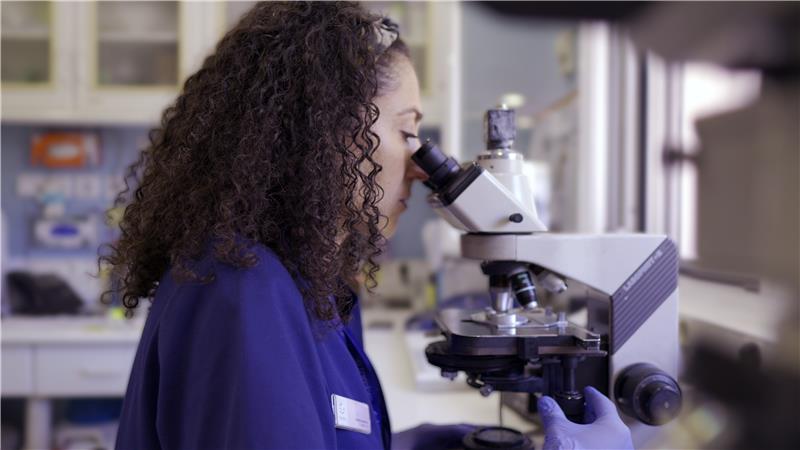
It is important to remember that spermatogenesis, the process of sperm production, takes approximately 74 days. Therefore, positive lifestyle changes may be reflected in sperm quality after about 2–3 months.
When to see a doctor and undergo tests for sperm assessment?
If you have been trying to conceive for several months without success, it is important to reduce uncertainty and consult a specialist for a fertility assessment. Male infertility is more common than often assumed: around 40% of infertility cases have a male factor component
When is sperm quality assessment recommended?
- You have been trying to conceive for over one year (or six months if the woman is over 35).
- There is a history of hormonal disorders, varicocele, testicular trauma or infection.
- There are sexual function issues (reduced libido, erectile or ejaculatory problems).
- You simply wish to assess fertility status before attempting pregnancy.
At Tambre we have our own Andrology laboratory, which allows us to study sperm quality in depth and address most cases of male infertility without having to resort to donor sperm.
For this purpose, during the initial visit, we perform a comprehensive assessment that includes:
- Medical history and lifestyle review.
- Blood tests.
- Semen analysis to evaluate sperm count, motility and morphology.
- Additional tests when clinically indicated (sperm DNA fragmentation, FISH, semen and urine cultures, etc.).
- Cryopreservation of semen samples when the male partner cannot attend the centre on the day of treatment or lives outside Spain.
What complementary tests can help assess male fertility?
In addition to the semen analysis, and depending on each case, at Tambre we can complete the male fertility study with advanced tests such as:
- Comet Fertility to analyse sperm DNA fragmentation.
- Chromosperm and FISH to detect chromosomal abnormalities in sperm cells.
- Hormonal testing.
- Testicular biopsy, when necessary. This surgical procedure retrieves sperm directly from the testicle when none are present in the ejaculate (azoospermia). It allows men with azoospermia, previous vasectomy or obstruction of the vas deferens to become fathers using their own gametes through IVF.
- Our urology, endocrinology and andrology teams work closely together to accurately identify the cause of male infertility, whether related to sperm quality, obstruction, infection or genetic factors. Based on the results, the medical team designs personalised treatment strategies for each case.
Frequently asked questions on how to improve sperm quality
Supplements: Under medical supervision, Coenzyme Q10, L-Carnitine, zinc and selenium, which have shown possible benefits for sperm motility, concentration and morphology, could be considered.
This means that positive lifestyle changes, such as quitting smoking, improving diet or reducing alcohol consumption, should be maintained for at least two to three months to show results in semen quality. A repeat semen analysis is therefore recommended after around three months to assess the impact of these changes.
Volume: ≥ 1.4 mL
Concentration: ≥ 16 million/mL
Progressive motility: ≥ 30 %
Morphology: ≥ 4% normal forms
Vitality: ≥ 54% live sperm
These values should always be interpreted by a specialist within the context of each individual case.