
blog tambre
ROPA Method: epigenetics and who the baby resembles
 Victoria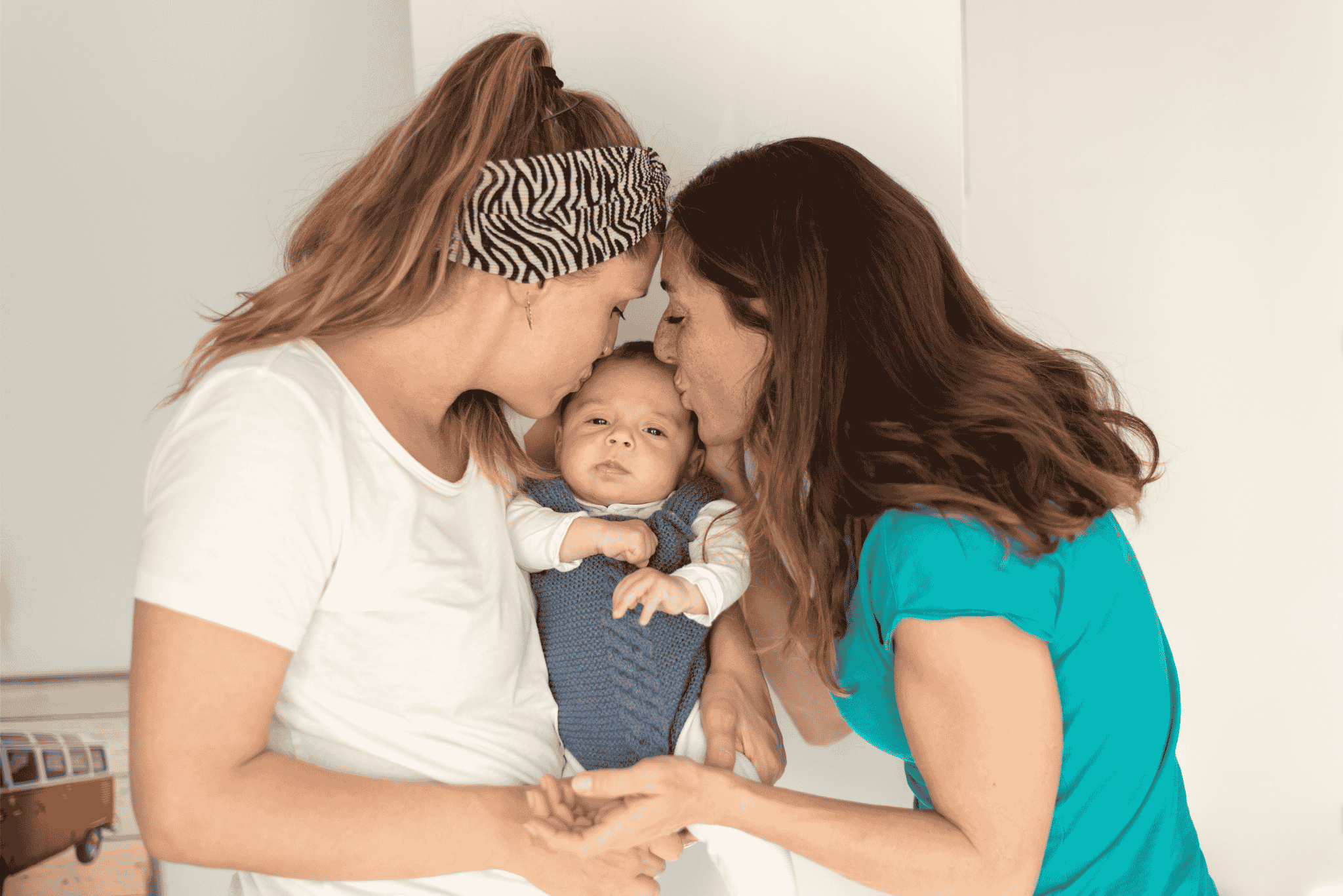
Table of contents
The ROPA method, or Reception of Oocytes from Partner, has transformed the way female couples can experience shared motherhood. However, one of the most common questions among those considering this option is: who does the baby resemble using the ROPA method? Can the birth mother influence the embryo’s genetics, even if she does not provide the eggs? And what role does the sperm donor play? The answer lies in a combination of genetics, donor selection and epigenetics.
In this article, we will explain how the ROPA method works, the role epigenetics plays, how the sperm donor is selected. Besides, we will dispel some common myths about who the baby may resemble with this type of treatment.
Understanding epigenetics in the ROPA method
For many years, it was believed that physical and biological resemblance between mothers and children depended solely on genetic inheritance. However, the latest research into epigenetics reveals a far more complex and fascinating picture.
Epigenetics studies how external factors, such as the environment of the mother’s uterus, can modify the way genes are expressed without changing the DNA itself. This means that, even if the birth mother has not provided the eggs, she can still influence the development of the embryo and the activation or silencing of certain genes.
A clear example can be seen in cases where health conditions affecting the birth mother during pregnancy, such as obesity or type 2 diabetes, have a direct impact on embryo development. This type of interaction is known as epigenetic modulation.
In addition, this exchange begins even before implantation. In the ROPA method, as in egg donation treatments, the birth mother secretes fluids in the endometrium that are rich in microRNAs: small molecules carrying genetic information that are absorbed by the embryo. These microRNAs act as messengers, influencing which genes are activated or silenced, supporting implantation and affecting key biological functions in the baby.
This phenomenon helps explain why many babies born through egg donation or the ROPA method share certain traits with the birth mother: not because of direct genetic transmission, but because of the intense biological communication that takes place from the very beginning of intrauterine life.
How genetics influences who the baby resembles
Let’s return to the question at hand: who does the baby resemble with the ROPA method? From a genetic point of view, the baby inherits genes from two people:
- The mother who donates the eggs, whose genetic information is present in the embryo’s DNA.
- The sperm donor, whose genetic material is also present in the embryo.
However, as we have already explained, the birth mother also plays a role through epigenetic processes, modulating how many of those genes are expressed.
At Tambre, we also pay particular attention to selecting a sperm donor with a phenotypic resemblance to the birth mother. This criterion is based on features such as skin tone, eye colour, hair colour, build and blood type, among others. Therefore, although the birth mother does not contribute DNA, she does provide a biological influence that may be reflected in biological aspects and even in some of the baby’s traits.
This increases the likelihood that the baby will physically resemble both mothers, helping both the genetic mother and the birth mother to see themselves reflected in the newborn and strengthening their emotional and visual bond.

Benefits of the ROPA method in motherhood
The ROPA method is much more than a medical assisted reproduction technique; it is a way of sharing motherhood in a committed and balanced manner. As well as allowing both women to play an active role in creating their baby, the ROPA method offers several benefits:
- Shared bond: One mother provides the genetic material, while the other experiences pregnancy, creating a strong emotional bond between both mothers and the baby.
- Equal involvement: Both women feel like mothers from the onset, encouraging both partners to be involved at every stage of the process.
- Positive emotional impact: Thanks to epigenetics, the birth mother can feel that she is also making a biological contribution to the baby.
- Medical flexibility: The ROPA method makes it possible to choose the best option according to each woman’s reproductive health. To do this, both women undergo different medical tests to assess their ovarian reserve, egg quality, general health and genetic compatibility. However, the decision as to which role each woman will take in the process is made by the couple.
In short, the ROPA method not only allows two women to share motherhood, but also expands our understanding of biological influence thanks to epigenetics.
A new legal right for two-mother families
n Spain, this added value of the ROPA method is now accompanied by a very important legal change. Female couples no longer need to be married in order to register their child in the Civil Registry when the baby is born through assisted reproduction treatment.
This means that both mothers can be legally recognised from the very beginning, simply with their consent, without additional procedures or court proceedings. This development provides peace of mind, legal security and full recognition for all diverse families, supporting the emotional and biological journey already offered by the ROPA method.
Some myths to bear in mind
Although the ROPA method is becoming increasingly well known, it is still surrounded by certain myths and doubts that should be clarified:
‘The baby will only resemble the genetic mother.’ False. Both mothers play a crucial role: one genetically and the other biologically and epigenetically. In addition, thanks to the selection of a sperm donor with traits similar to those of the birth mother, the baby may resemble both mothers.
‘The mother who does not provide the eggs has no biological bond.’ Also false. The birth mother has a profound influence on gene expression, as well as on the baby’s health and development.
‘There is no bond without a genetic contribution.’ False. Science has shown that the uterine environment can be just as decisive as DNA itself for many of the baby’s characteristics. Therefore, the connection between the birth mother and her baby goes beyond DNA.
‘The ROPA method is a complicated or experimental treatment.’ On the contrary, the ROPA method is a consolidated, safe and increasingly sought-after technique, widely supported by the medical community.
In short, the ROPA method not only allows both women in a couple to experience motherhood together, while at the same time helping to create a physical and emotional bond with the baby. Thanks to genetics, epigenetics and personalised sperm donor selection, we can now say that the newborn may resemble both mothers.
Are you considering shared motherhood? Do you still have questions about who the baby may resemble with the ROPA method? At Tambre, we will be delighted to answer all your questions. We have our own sperm bank, which enables us to ensure the most suitable donor selection and favour a greater phenotypic resemblance to both mothers. Contact Tambre and book your first consultation with our team of assisted reproduction specialists to discover how we can accompany you on your shared motherhood journey.