blog tambre
Vegan and Vegetarian Diets in Pregnancy and Assisted Reproduction : What You Need to Know
 Victoria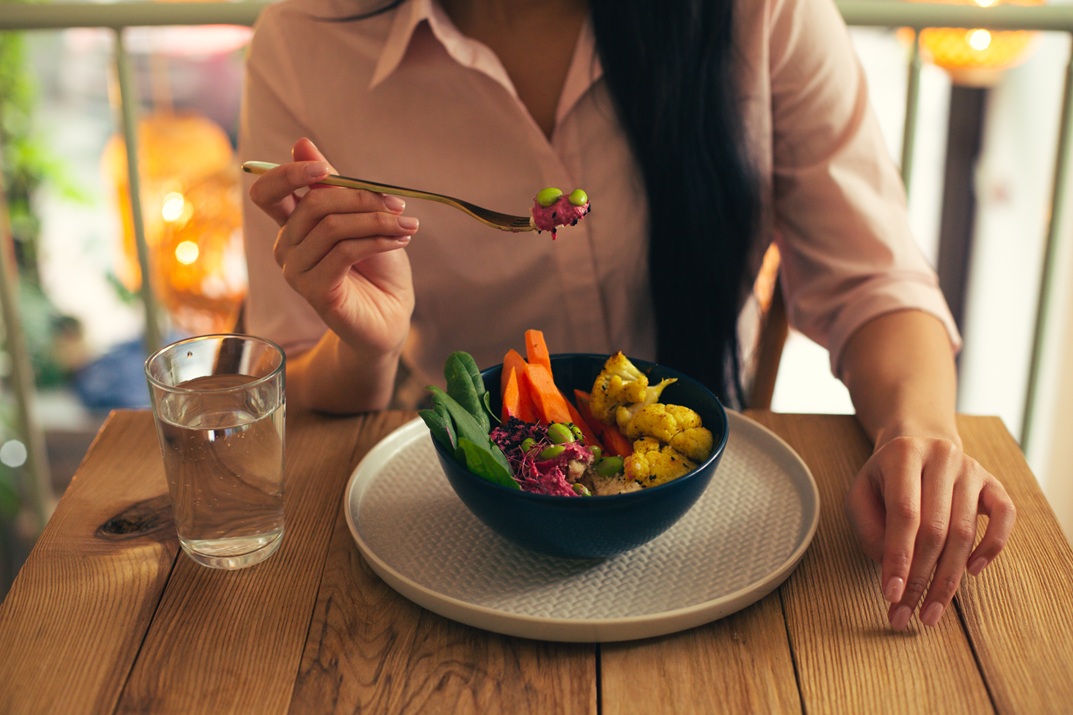
Table of contents
Is a vegan diet safe during pregnancy? Increasingly, women embarking on motherhood – whether naturally or through assisted reproductive techniques – follow a vegetarian or vegan diet during pregnancy and want to do so with complete peace of mind for their baby’s health.
The good news is that a well-planned vegetarian or vegan diet during pregnancy can be both healthy and nutritionally complete. The key lies in balance, appropriate supplementation, and personalised medical monitoring.
The good news is that a well-planned vegetarian or vegan diet during pregnancy can be both healthy and nutritionally complete.
Your Vegetarian or Vegan Pregnancy
Whether you are vegetarian or vegan, your body undergoes physiological changes during pregnancy that increase both energy and nutritional requirements. There are no inherent complications compared to an omnivorous diet; however, special attention must be paid to certain nutrients.
Does this mean you need to change your diet? Not necessarily – but it does need careful review. A vegetarian pregnancy diet must be thoughtfully structured to meet requirements for protein, iron, calcium, omega-3 fatty acids, iodine and vitamin B12. Poor nutritional management may lead to specific risks for both mother and baby.
Essential Nutrients for Two
The main risk of following a vegetarian or vegan diet during pregnancy is not the diet itself, but inadequate supplementation and insufficient caloric intake. If essential nutrients are not properly supplied during gestation, several risks may arise:
Risks for the Baby
- Low birth weight: In poorly planned diets, strictly vegan or vegetarian mothers may be more likely to give birth to babies with below-average weight or small for gestational age. This may result from insufficient protein or overall energy intake.
- Neural tube defects: A deficiency in vitamin B12 can significantly increase the risk of malformations such as spina bifida.
- Neurodevelopmental issues: Low levels of iodine and omega-3 fatty acids (DHA) may negatively affect fetal brain development and visual acuity.
Risks for the Mother
- Plant-based diets are associated with a reduced risk of hypertensive disorders during pregnancy. Diets rich in vegetables, fruit, whole grains, legumes, fish and plant oils are consistently linked to a lower risk of pre-eclampsia, largely due to improved weight management.
- However, poorly planned vegan diets may lead to deficiencies in key nutrients (vitamin B12, iron, zinc and omega-3 fatty acids), requiring appropriate supplementation during pregnancy.
- Iron-deficiency anaemia: As plant-based iron is less readily absorbed than iron from animal sources, there is an increased risk of extreme fatigue and complications during labour if ferritin levels are not monitored.
- Vegan diets may also have a protective effect against the development of gestational diabetes compared to omnivorous diets.
Key Nutrients
To mitigate these risks, it is essential to ensure optimal levels of:
- Vitamin B12: Supplementation is essential, as this vitamin is found naturally and reliably only in foods of animal origin, such as milk, eggs and fish.
- Iodine: Iodine requirements increase by around 50% during pregnancy due to physiological changes. Deficiency is associated with impaired neurodevelopment and lower IQ in children. Iodised salt and supplementation are recommended if dairy is not consumed.
- Iron: Should always be combined with vitamin C to enhance absorption.
- Calcium: From plant-rich sources or fortified foods.
- Omega-3 (DHA): Essential for fetal neurological development. Vegan women who do not consume fish should supplement with DHA derived from microalgae.
- Protein: Protein is essential for the baby’s tissues, the placenta and the increase in maternal blood volume. For this reason, protein requirements rise during the second and third trimesters. The challenge in a vegan diet during pregnancy is not only the quantity of protein, but also its quality and digestibility, because unlike meat, some plant proteins are incomplete, and the fibre in plant foods may reduce absorption.
Vitamin B12: Absolutely Essential
If there is one critical nutrient in vegan pregnancy, it is vitamin B12. Supplementation is not optional, but essential, because it is only found naturally and reliably in animal products. For this reason, vegan and vegetarian pregnant women should take supplements to prevent serious harm.
In the case of vegetarian pregnant women who consume dairy products and eggs, supplementation is also often recommended, as intake may still be insufficient.
Why is vitamin B12 supplementation so important? Quite simply because a B12 deficiency may cause irreversible neurological damage, delayed growth, megaloblastic anaemia and neural tube defects in the baby.
Why is vitamin B12 supplementation so important? Quite simply because a B12 deficiency may cause irreversible neurological damage, delayed growth, megaloblastic anaemia and neural tube defects in the baby. In the mother, adequate vitamin B12 intake helps prevent pernicious anaemia, extreme tiredness and nervous system problems.
You may think that fortified foods such as plant-based drinks or breakfast cereals provide enough vitamin B12, but in reality, they usually do not supply enough to meet the demands of pregnancy. Even if your current blood tests come back as ‘normal’, pregnancy can quickly use up your vitamin B12 stores. So do not wait for your B12 levels to fall before starting supplementation.
Is a Vegan Diet Safe During Pregnancy?
Current scientific evidence shows that a vegan diet during pregnancy is safe, as long as it is properly planned and supplemented.
In fact, the main scientific bodies consider well-planned vegetarian diets to be suitable for all stages of life, including pregnancy and breastfeeding.
So, it is not a ‘dangerous’ diet, but it does require closer medical monitoring than an omnivorous diet to make sure your baby receives everything they need.
Diet During Breastfeeding
Both a vegan breastfeeding diet and a vegetarian breastfeeding diet can also be safe, but it is important to bear in mind that nutritional needs are even greater than during pregnancy. The total energy cost of exclusive breastfeeding is approximately 650–670 kcal.
But beyond calories, during this stage the need for the following nutrients increases even further:
- Vitamin B12: This is the most important nutrient. If the mother is deficient, her milk will not contain B12, which may cause serious neurological damage in the baby. You should continue your usual B12 supplementation without interruption.
- Iodine: It is advisable to take a daily supplement of 200 µg of iodine, as your baby needs it for thyroid development.
- Calcium: Daily calcium requirements also increase. For this reason, it is advisable to prioritise tofu, almonds and fortified plant-based drinks.
- DHA: At this stage, the baby’s brain continues to grow at a rapid pace, and 100% of the DHA they receive comes entirely from their diet, and therefore from breast milk. This is why it is advisable to continue taking microalgae supplementation, as it is the safest option.
Vegan Diet and Assisted Reproduction
At Tambre, more and more women who follow a vegan or vegetarian diet are starting their path to motherhood through assisted reproductive treatment.
If you follow a vegan or vegetarian diet and are trying to conceive through assisted reproduction, it is essential to make sure your nutritional levels are appropriate before beginning the process.
At Tambre, we have a multidisciplinary team that will assess your nutritional status, request the necessary blood tests, and design a personalised plan to optimise both your fertility and your pregnancy.
Contact our assisted reproduction clinics in Madrid or Alicante and book your first consultation. Let us support you on this journey to motherhood with the reassurance that you are doing the very best for yourself and your future baby.
Are you trying to conceive and follow a vegan or vegetarian diet?
At Tambre, we have a multidisciplinary team that will assess your nutritional status, request the necessary blood tests, and design a personalised plan to optimise both your fertility and your pregnancy.
Frequently Asked Questions About Pregnancy and a Vegetarian or Vegan Diet
I’m vegetarian and pregnant. Am I at greater risk?
Not necessarily. A vegetarian pregnant woman does not have more complications than a woman following an omnivorous diet if her nutrition is well structured.
Risks arise when there is an undetected nutritional deficiency, especially in iron or vitamin B12.
Is vitamin B12 supplementation essential in a vegan pregnancy?
Yes. In the case of a vegan pregnant woman, vitamin B12 supplementation is essential.
Even in women following a vegetarian diet during pregnancy who consume dairy products and eggs, supplementation is often recommended because dietary intake may be insufficient to meet the increased demands of pregnancy.
Can a vegan diet affect fertility or IVF?
A vegan or vegetarian diet can be fully compatible with assisted reproduction.
However, before starting treatments such as IVF, it is essential to check iron, vitamin B12, vitamin D and DHA levels, as deficiencies may influence egg quality and embryo implantation.
At Tambre, we recommend that women following a vegetarian or vegan diet undergo a personalised nutritional assessment before starting any treatment.
Is breast milk from vegan mothers nutritious?
Yes, scientific evidence confirms that breast milk from vegan mothers is nutritionally complete, provided the mother maintains adequate levels of vitamin B12 and other essential nutrients through diet and supplementation.