
blog tambre
Obesity and fertility: what you need to know before starting treatment to get pregnant
 Victoria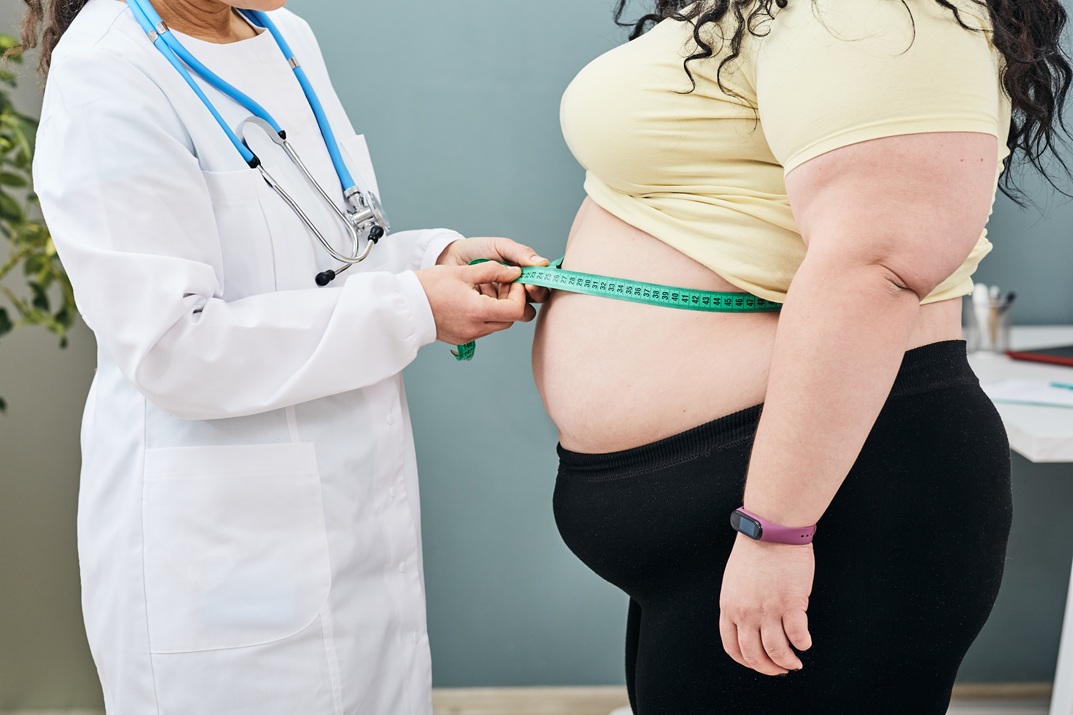
Table of contents
More and more women who want to become mothers are encountering an unexpected obstacle when they go to a fertility clinic: weight can directly influence the chances of pregnancy.
The relationship between obesity and fertility is now one of the major areas of study in reproductive medicine. Not only because being overweight is increasingly common, but also because it has been shown to affect ovulation, response to treatment and pregnancy outcomes.
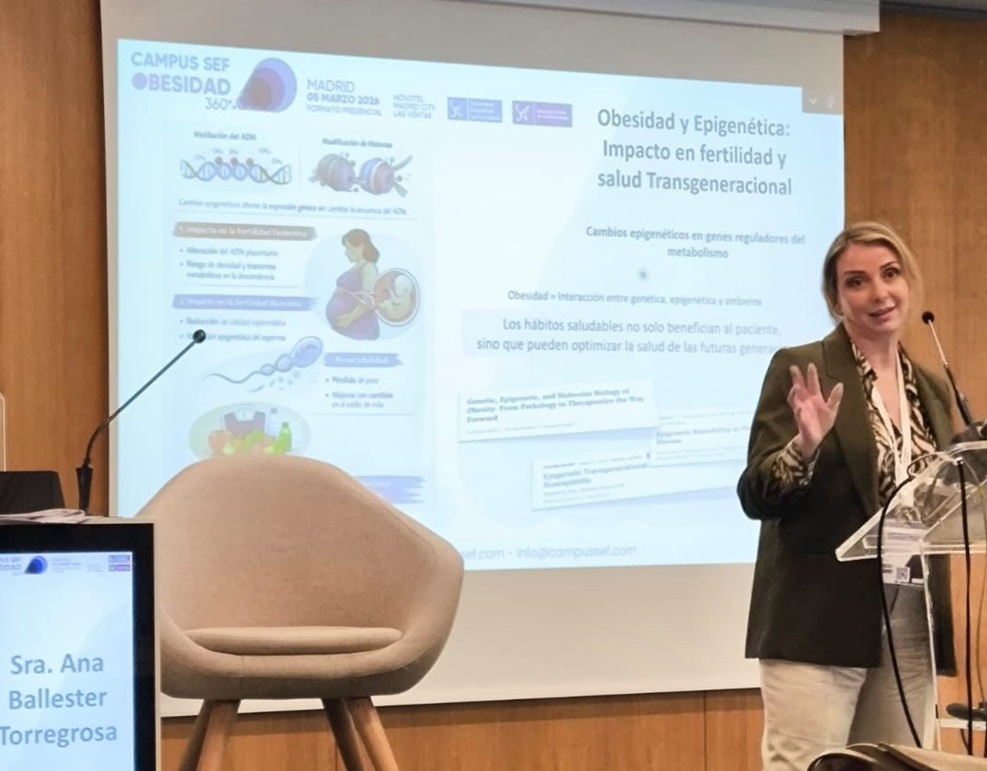
This was precisely the focus of a presentation given by Ana Ballester, head of nursing at Tambre Alicante, during the conference on Obesity organised by the Spanish Fertility Society (SEF), where experts from all over Spain analysed how to address this challenge from a medical and multidisciplinary perspective.
In her presentation, Ballester focused on something that often goes unnoticed: the essential role of nursing in preparing patients with obesity before starting fertility treatment.
Obesity and fertility: why weight influences reproduction
Excess weight is not just a cosmetic issue. From a medical point of view, obesity causes hormonal and metabolic changes that can affect the reproductive system.
Among the most well-known effects are:
- insulin resistance
- hyperandrogenism
- ovulatory disorders
- increased prevalence of polycystic ovary syndrome
All of this can result in a lower response to assisted reproduction treatments, something that specialists often observe.
When body mass index is high, the ovaries may respond less well to hormonal stimulation, which means:
- greater need for medication
- fewer oocytes retrieved
- lower pregnancy rates.
Therefore, in many cases, metabolic preparation prior to treatment becomes a fundamental part of the reproductive process.
Use of GLP-1 agonists and fertility
In recent years, there has been much talk about GLP-1 receptor agonists, a type of medication used to treat obesity and type 2 diabetes. Among the best known are semaglutide and tirzepatide, which work by mimicking a natural hormone in the body called GLP-1 (glucagon-like peptide-1).
Medications such as Ozempic (semaglutide) and Mounjaro (tirzepatide) have become popular tools for treating overweight and obesity.
In the context of fertility, these drugs can be used as an adjuvant treatment to improve metabolic response before starting ovarian stimulation.
This is important because, as Ana Ballester explains, ovarian stimulation is not as effective when BMI is high. Controlled weight loss can help optimise the body’s response to treatment.
However, these drugs are not without side effects and require careful clinical monitoring. In many patients, being overweight is also associated with other conditions such as hypertension, diabetes or metabolic disorders, which makes medical supervision even more important.
The role of nursing in fertility treatments
This is where the work of the nursing team plays a fundamental role.
At Grupo Tambre, nurses accompany patients throughout the therapeutic process.
Their role includes key tasks such as:
- explaining how to administer treatments correctly
- teaching the proper use of medications
- answering questions about symptoms and side effects
- monitoring weight and overall health
- offering emotional support throughout the process.
The aim is to avoid medication errors and ensure that treatment is carried out correctly.
As with gonadotropins used in assisted reproduction, misuse of medications can lead to treatment failure or adverse effects. That is why health education is an essential part of the process.
Much more than losing weight: preparing the body for pregnancy
One of the most important messages conveyed during the Spanish Fertility Society conference is that the goal is not to lose weight to reach a certain number on the scale.
Metabolic preparation seeks something much more important: to achieve pregnancy in the best possible conditions for the mother and the future baby.
Nurses work to ensure that patients:
- stay motivated throughout the process
- avoid discouragement
- set realistic goals
- adopt healthy lifestyle habits.
This includes recommendations on balanced nutrition, physical exercise, and regular medical check-ups, always tailored to each woman’s situation.
In addition, monitoring allows for the detection of possible nutritional deficiencies, such as vitamin D, iron, or vitamin B12, which may occur during weight loss processes.
A multidisciplinary approach to advanced reproductive medicine
In clinical practice, the management of obesity in fertility requires a multidisciplinary approach.
At Tambre, specialists work together to design a personalised plan for each patient.
This approach is especially important because obesity often coexists with other metabolic diseases, such as hypertension or diabetes, which must also be controlled before starting reproductive treatment.
Current reproductive medicine understands that the success of a treatment depends not only on the technique, but also on the overall preparation of the body.
When fertility begins long before treatment
The final message of Ana Ballester’s presentation is clear: if we want to improve reproductive outcomes, the approach to obesity must begin before arriving at the fertility clinic.
Preparing the body, improving metabolism and adopting healthy habits are steps that can make a difference on the road to pregnancy.
And in that process, the role of nursing is essential.
Because behind every fertility treatment there is not only science and technology, but also accompaniment, information and continuous support.
Do you want to prepare your body for pregnancy in the best possible conditions?
At Clínica Tambre, we help you approach every case in a personalised way, with a comprehensive medical approach, close support, and the expertise of a team specialised in advanced reproductive medicine.
Contact our team