
blog tambre
Turner Syndrome: How It Affects Fertility
 Alejandro
Table of contents
Many women with Turner syndrome wonder whether they will be able to get pregnant or become mothers in the future. This genetic condition, which only affects females, occurs when – due to an error in cell division – one of the two X chromosomes is completely or partially missing. This can affect ovarian development and, therefore, fertility, among other factors. Although Turner syndrome and fertility are closely linked, every case is different. Today, a range of fertility treatments allow many women with this condition to achieve a full-term pregnancy.
Understanding Turner Syndrome
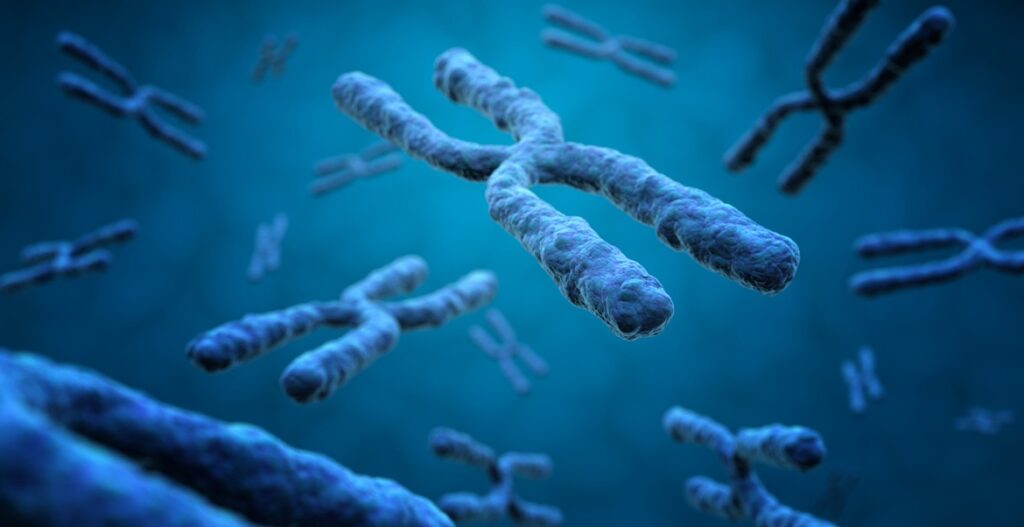
To understand what Turner syndrome is, it is important to remember that humans have 46 chromosomes, which contain our genes and DNA. Of these, two are sex chromosomes and determine whether a person is biologically male (XY chromosomes) or female (XX chromosomes).
Turner syndrome is a genetic condition that affects only females and involves the complete or partial absence of one X chromosome. In other words, while most women have two X chromosomes in all their cells, in Turner syndrome one of them may be either missing or incomplete. In some cases, this occurs in a mosaic pattern, meaning that some cells are normal while others carry the chromosomal alteration.
Depending on whether there is mosaicism or whole-gene deletion, the way Turner syndrome manifests can vary greatly from one woman to another. Some may experience milder symptoms, particularly in mosaic cases, where only certain cells are affected. In these situations, a very small percentage of women (between 2% and 5%) may retain sufficient ovarian function to conceive naturally.
Common characteristics of Turner syndrome include:
- Short stature
- A short or webbed neck
- Underdeveloped ovaries
- Absence of menstruation (amenorrhoea)
- Swelling of the hands and feet
- Heart conditions
- Premature ovarian insufficiency leading to infertility
In addition to these features, women with Turner syndrome may also present other abnormalities or health conditions, such as:
- Early-onset hypertension
- Hypothyroidism
- Cardiovascular abnormalities
- Kidney anomalies
- Increased risk of diabetes
- Lymphatic system disorders
The Impact of Turner Syndrome on Fertility
When discussing Turner syndrome and fertility, it is important to note that around 90% of women with this condition experience premature ovarian insufficiency. This means that the ovaries either do not fully develop or stop functioning earlier than expected.
This reduced ovarian function may result in:
- A very low or absent ovarian reserve
- Menstruation not starting or stopping at an early age
- A reduced likelihood of natural conception
For this reason, an individualised fertility assessment by specialists is essential so as to evaluate reproductive options.
Pathways to Motherhood
Although Turner syndrome is closely associated with infertility, there are now several pathways that allow many affected women to achieve pregnancy and fulfil their desire of becoming mothers.
Natural Pregnancy with Own Ovulation
Turner syndrome does not always mean a complete absence of ovarian function. In some cases – particularly in women with mosaic Turner syndrome – there may be some ovarian activity for a limited period of time. This can allow spontaneous pregnancy, although it is very rare and associated with a higher risk of miscarriage or fetal abnormalities.
IVF with PGT (Preimplantation Genetic Testing)
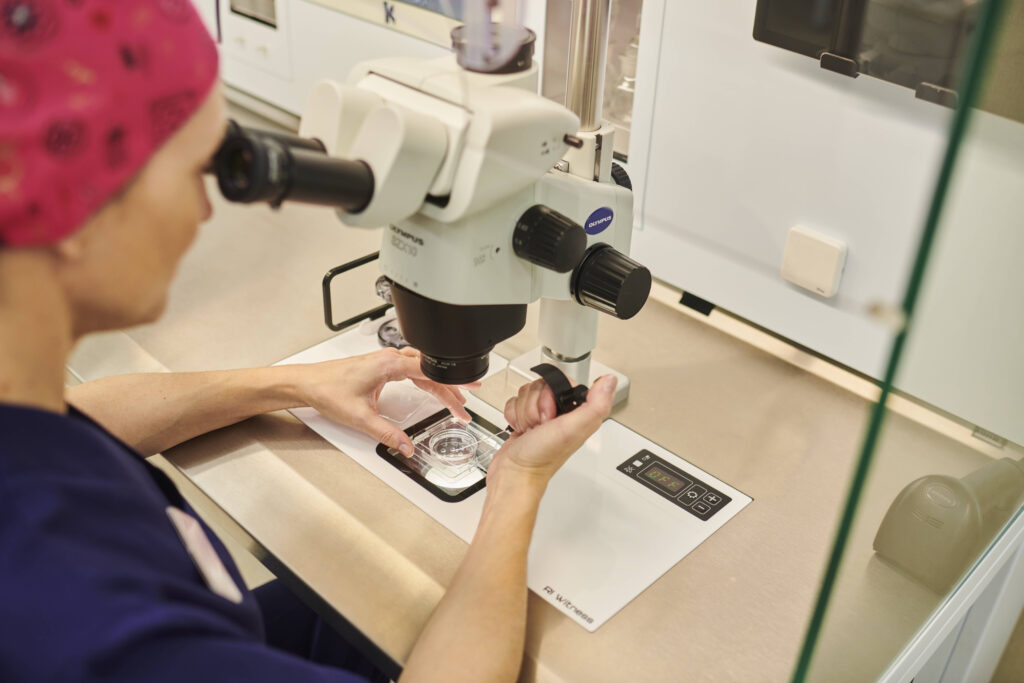
As women with Turner syndrome who conceive naturally have a higher risk of having children with Down syndrome, Turner syndrome or other genetic abnormalities, assisted reproductive techniques such as IVF with preimplantation genetic testing are often recommended. This allows embryos to be screened before transfer, so that only genetically healthy embryos are selected. This reduces the risk of miscarriage and increases the chances of having a healthy baby.
This option is typically indicated for patients with mosaic Turner syndrome who still retain some ovarian function.
Egg Donation
Egg donation is the most appropriate treatment for women with Turner syndrome whose fertility is significantly affected. When a woman does not have her own viable oocytes – which is the case in most situations – pregnancy can be achieved using donor eggs. These are fertilised in the laboratory with sperm from a partner or donor and then transferred to the patient’s uterus.
This treatment offers higher success rates, as it involves eggs from young, healthy donors. However, before starting treatment, a full medical evaluation is carried out to ensure that pregnancy can proceed safely.
Fertility Preservation
In very specific cases, when the diagnosis is made early and some ovarian activity is still present, fertility preservation may be considered. This may involve freezing mature oocytes or retrieval and preservation of ovarian tissue (follicular rescue), offering potential reproductive options in the future.
In assisted reproduction treatments for women with Turner syndrome, the transfer of a single embryo is generally recommended. This helps to avoid multiple pregnancy, which could increase the cardiovascular risks associated with this condition.
Challenges and Solutions
Women with Turner syndrome who wish to become pregnant may face certain medical challenges, but today there are increasingly advanced solutions available within reproductive medicine.
One of the most important steps before attempting pregnancy is a comprehensive medical evaluation, particularly of the cardiovascular system, as some women with this condition may have associated risks requiring careful monitoring.
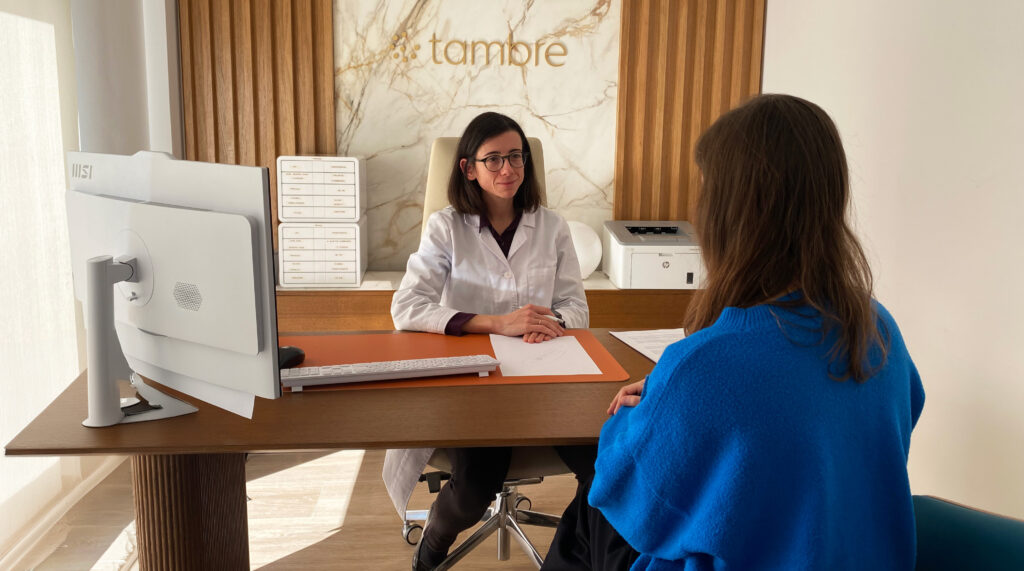
Once safety has been confirmed, it is essential to work with a specialised team that supports the patient throughout every stage of the process. At experienced fertility clinics such as Tambre, the approach is fully comprehensive, combining medical and emotional support with cutting-edge reproductive technology. This approach is particularly important for women with Turner syndrome and reduced fertility, as each case requires a personalised strategy.
Pillars of treatment at Tambre
Personalized fertility assessment
Highly specialized laboratories
Embryo quality control
Preimplantation Genetic Testing (PGT)
Personalized endometrial preparation
Individualized support
Key pillars of treatment at Tambre include:
- Personalised fertility assessment, to determine whether using the patient’s own eggs is possible or whether egg donation is the most suitable option.
- Highly specialised IVF laboratories, where advanced embryo culture techniques are used to replicate optimal conditions similar to the natural uterine environment.
- Strict embryo quality control, a crucial factor in improving success rates in both own-egg and donor-egg treatments.
- Genetic testing such as Preimplantation Genetic Testing (PGT), allowing embryos to be analysed before transfer to select those that are genetically healthy.
- Personalised endometrial preparation, especially important in women with Turner syndrome. Due to ovarian insufficiency, the body does not naturally produce the hormones needed for the uterus to become receptive. As a result, the endometrium (the lining of the uterus where the embryo implants) is often too thin due to low oestrogen levels. Controlled hormonal treatment is used to prepare the endometrium so that it reaches the optimal thickness and conditions for implantation.
- Individualised care throughout the entire process, with the same medical team supporting the patient from diagnosis through to possible pregnancy.
At Tambre, every stage of the process is carefully managed with the aim of achieving healthy embryos with a high implantation potential. The combination of advanced technology, laboratory precision and clinical expertise helps optimise outcomes in assisted reproduction.
Thanks to this comprehensive approach – combining scientific innovation, clinical experience and personalised care – many women with Turner syndrome have been able to move forward towards their goal of becoming mothers.
Take the next step with an expert team
If you have Turner syndrome and wish to become a mother, contact our assisted reproduction clinics in Madrid or Alicante and request your first consultation. Our team of fertility specialists will thoroughly assess your case and support you every step of the way to find the best reproductive option for you.
Our team will support you from the very beginning with a personalized and compassionate medical approach.
Frequently asked questions about Turner syndrome and fertility
Can women with Turner syndrome get pregnant?
Yes, it is possible, although most require medical assistance. Egg donation is the most common and successful pathway, as the uterus is usually functional after preparing the endometrium with hormones. Natural pregnancy is also possible, but it only occurs in 2–5% of cases, mainly in women with mosaicism who still retain ovarian activity.
Can I become a mother with my own eggs if I have Turner syndrome?
Although the vast majority — more than 95% — of women with this syndrome require egg donation, those with mosaicism may sometimes be able to use their own eggs if fertility preservation — egg vitrification — is carried out early, before complete ovarian failure occurs.
Is Turner syndrome hereditary?
No. It is a random genetic error that occurs during the formation of the egg or sperm, or during the first divisions of the embryo after conception. Therefore, having a daughter with Turner syndrome does not increase the risk of it recurring in future pregnancies.
What is the success rate of egg donation in these cases?
The pregnancy rate with egg donation is very high. Once the endometrium has been prepared, women with Turner syndrome have practically the same chances of success as any other woman who undergoes egg donation.
Will my children be born with the syndrome?
If donor eggs are used, the baby will not inherit the syndrome. In the few cases where a natural pregnancy is achieved, there is a higher risk of chromosomal abnormalities — Down syndrome is 10 times more frequent in these pregnancies, and Turner syndrome is 30 times more frequent in the offspring — so prenatal diagnosis or preimplantation genetic testing of the embryo itself is recommended in the case of IVF.