

Blog
NK cells and their role in reproductive immunology
 Victoria
Table of contents
Did you know that there are certain alterations in the cells of the immune system that prevent pregnancy from occurring or developing normally? These are so-called natural killer (NK) cells and have an impact on reproductive immunology. In this article we will explain how these lymphocytes can influence fertility and the treatments we perform at an assisted reproduction clinic.
What are NK cells and what is their role in the immune system?
Natural killer cells (NK cells) are part of the innate immune system. Their main function is to identify and destroy cells infected by viruses, foreign cells or abnormal cells, such as tumour cells.
In short, this type of cell acts as our body’s first line of defence against threats, regulating the balance of the immune system and collaborating with other types of immune cells.
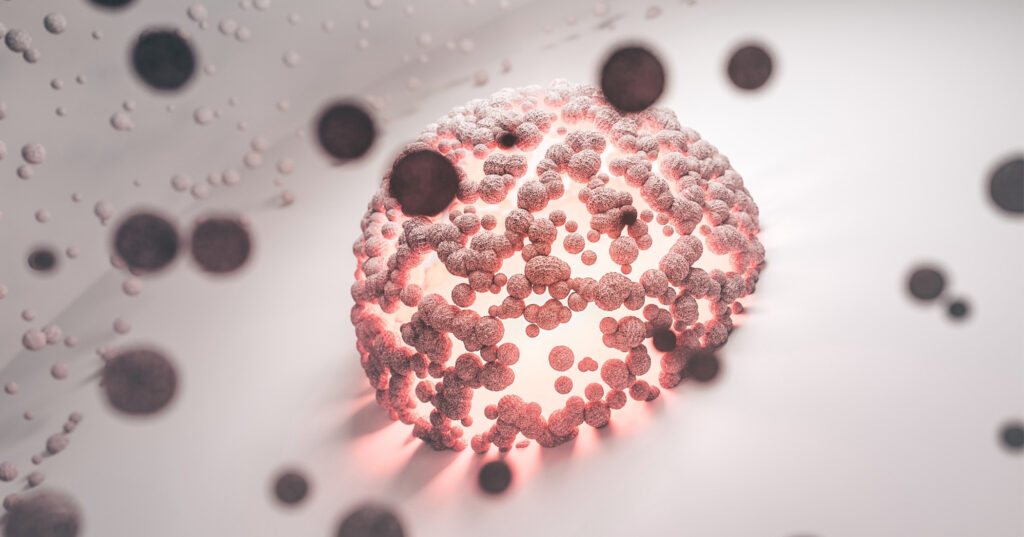
To prevent these killer cells from destroying any healthy cells in the body, there are strict control mechanisms in place. Problems arise when abnormal NK cell levels are present in a pregnant woman, as this may lead to an immune attack on the embryo and cause pregnancy loss.
The importance of NK cells in reproductive immunology
In reproductive immunology, NK cells play a key role. These cells are present in the endometrium and are involved in the process of embryo implantation and the correct formation of the placenta.
An imbalance in the activity of these cells can hinder or even interrupt pregnancy. This may happen because for our immune system, the embryo is considered a foreign body, as half of its cells are of paternal origin and, as such, NK lymphocytes could attack and destroy it.
To prevent this from happening, the mother develops a tolerance mechanism in her own immune system, so as not to attack the baby growing in her womb. However, in some cases, this regulation fails and the NK cells overreact, attacking the embryo as if it were a foreign invader. This is known as alloimmune infertility, meaning that the mother’s body rejects her embryo.
Relationship between NK cells and cancer
The relationship between natural killer cells and cancer has been extensively investigated. Their ability to identify and eliminate tumour cells makes these lymphocytes a key factor in preventing and controlling the development of neoplasms. An active NK immune system is essential to maintain surveillance against the proliferation of abnormal cells.
As mentioned above, these innate cells are the body’s first line of defence. They detect and destroy cancer cells and viruses independently. In addition, NK cells secrete cytokines that activate and recruit other immune cells and create an inflammatory environment that hinders tumour growth, thus contributing to the prevention of cancer metastases.
However, tumours can develop ways to fool the immune system and even survive the NK cell attack. That is why research continues into new techniques that can improve the activation, specificity and safety of NK cells in cancer therapy, with the aim of improving outcomes for patients.

Normal NK Cell Levels
In healthy individuals, NK cells typically represent between 5% and 20% of total lymphocytes in peripheral blood. However, these ranges may vary depending on the laboratory and individual patient conditions.
Balanced levels are important for maintaining a functional immune system, both in defence against infection and in the regulation of reproductive processes.
How high NK cells affect fertility
When high levels of NK cells are detected (above 24% in peripheral blood, or above 18% in women over 35 years of age) this indicates a high risk of implantation failure or miscarriage, as these levels are associated with excess cytotoxic activity that could compromise embryo implantation.
This imbalance can generate microinflammation in the endometrium and interfere with communication between the embryo and the uterus, making it difficult for pregnancy to take place. For this reason, reproductive clinics usually recommend a personalised treatment plan to reduce the activity of these cells and improve the chances of success.
Frequently asked questions about NK cells and fertility
What does it mean to have high NK cells?
Elevated NK cell levels may reflect immune overactivation. In fertility, this can interfere with embryo implantation or even cause recurrent miscarriages, as the embryo is recognised as a foreign body.
How are NK cells detected?
They are analysed in peripheral blood using specialised immunological tests. Levels above 24% (or 18% in women over 35) may be considered high.
What consequences do they have on fertility?
NK cells can cause microinflammation in the endometrium and disrupt communication with the embryo, hindering implantation and increasing the risk of early pregnancy loss.
Can NK cell dysfunction be treated?
Yes. At Tambre, we design personalised treatments to regulate your activity, including immunomodulators, corticosteroid therapy and complementary techniques according to each patient’s profile.
to answer your questions or schedule a specialist consultation.
How low NK cells affect fertility
Conversely, low NK cell levels may indicate a weakened immune defence. This not only increases susceptibility to infections and tumour development but can also have a negative impact on the uterine environment, making it less receptive to implantation.

Reproductive immunology unit at Tambre
For patients experiencing recurrent implantation failure and/or recurrent miscarriage, it can be extremely useful to evaluate NK cell levels in blood and/or the endometrium (through biopsy) as part of a specific diagnostic protocol. If a high level of NK cells is found, medication (corticosteroids, immunoglobulins, heparin, etc.) can be used to try to reduce the abnormal response of these cells.
To carry out these studies and treatments, as well as other immune system alterations that may hinder pregnancy, both in men and, above all, in women, Tambre has its own Reproductive Immunology Unit. Our experts will provide assessment and treatment before conception, after conception, and throughout pregnancy, with close and continuous monitoring to assess response and adjust the treatment plan as necessary.
Do you have doubts about your case?
If you suspect immune-related causes for
implantation failure or recurrent miscarriage,
contact Tambre and request your first consultation to receive a
personalised study of your NK cells.
Reproductive immunology can play a key role in complex cases.
Adjusting this factor through targeted treatment may help you move closer
to your dream of becoming a mother.